Gold Making Charges in Pakistan Explained: Fair Rates, Negotiation & Hidden Fees
Decode jewelry making charges in Pakistan — typical % by design, wastage vs making, worked examples, exchange impact, and how to negotiate without overpaying.
Jewelix Team
Jewelry Expert
What Making Charges Actually Are
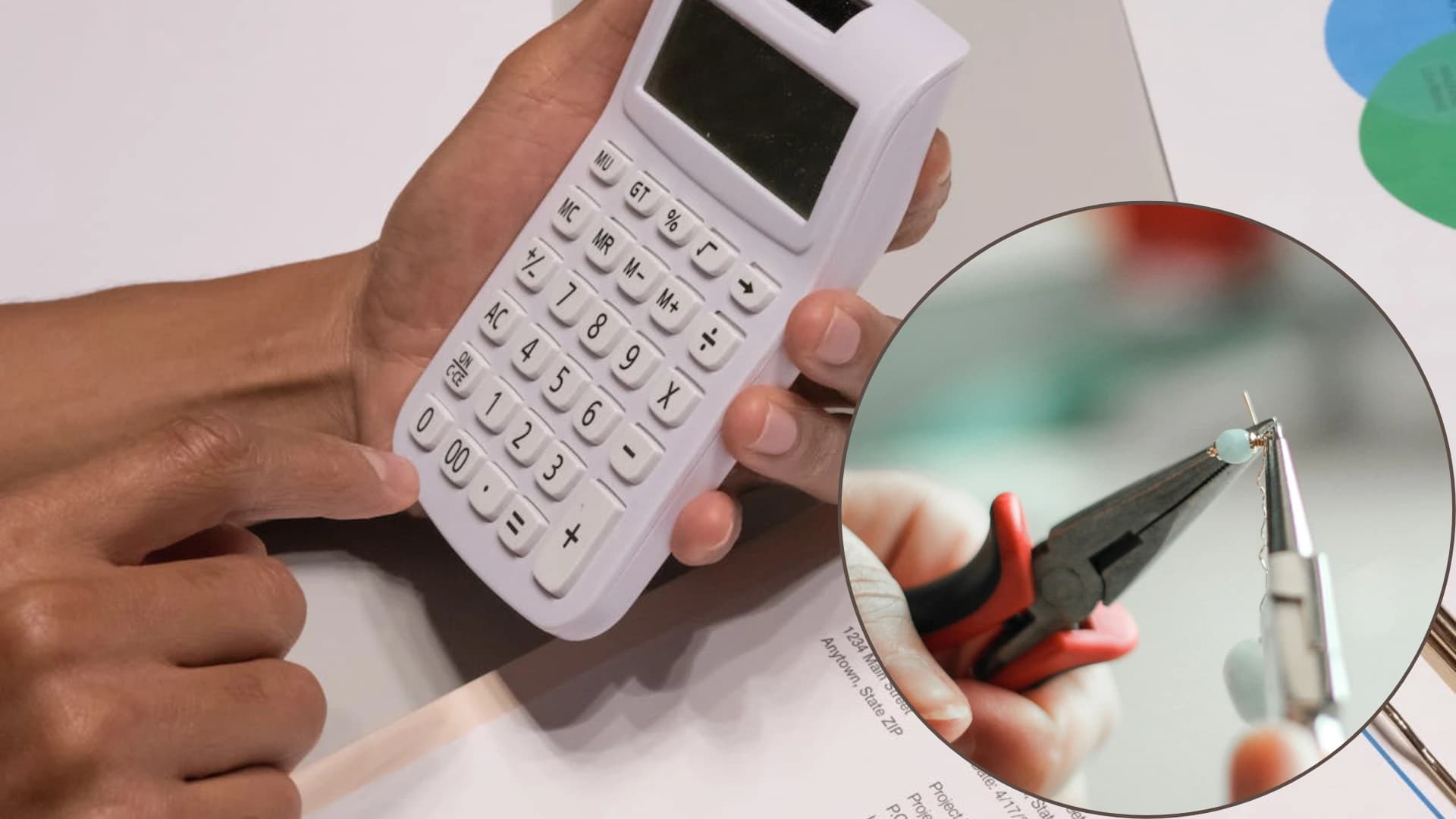
When you buy gold jewelry in Pakistan, you are not only paying for gold. You also pay making charges — the labour, design, finishing, and shop margin attached to turning raw gold into a wearable piece.
Formula most shops use:
Total price ≈ (Net gold weight × today's rate for that karat) + making charges + stone charges (if any)
If you ignore making charges, two "same weight" necklaces can differ by tens of thousands of rupees. Making is also the part you usually do not get back when you sell or exchange — which is why understanding it matters as much as knowing today's tola rate.
Check gold value first on the Jewelix Gold Calculator, then judge whether the making percentage is fair for that design.
What You Are Paying For Inside "Making"
Making is not one mysterious fee. It typically bundles:
Always ask: "Is wastage included in making, or billed separately?" Ambiguity here is a common bill shock.
Typical Making Charge Ranges in Pakistan
Percentages vary by city and shop brand, but these bands are a useful baseline for 22K jewelry:
Machine-made usually sits at the lower end. Handcrafted bridal sits at the upper end — and that can be fair if the workmanship is real.
Fixed PKR Making vs Percentage Making
If gold rates jumped hard this month, prefer shops willing to quote fixed making for large sets.
Worked Example (So the Math Clicks)
Assume:
Gold value = 20 × rate Making = 15% of gold value Total ≈ gold value + making
Now compare a plain chain at 10% making vs a kundan haar at 22% making on the same 20g. The second piece can cost meaningfully more while containing the same gold. You are paying for craft — decide if that craft is worth it for you.
For studded jewelry, demand:
Gold value + making on gold + stone cost listed separately
Never accept one lump sum with no breakup.
Making Charges vs Resale Value (The Painful Truth)
When you sell later:
So a heavily designed bridal set can be emotionally and culturally perfect for the wedding — and a weaker "investment" than coins/bars. That is fine if you buy with eyes open. For pure investment, minimise making; for wear and occasion, pay for making deliberately.
See also: selling old gold jewelry in Pakistan.
Exchange Policies: Where Making Quietly Disappears
Many Pakistani jewellers offer exchange on old jewelry toward a new purchase:
Ask before buying:
A slightly higher making at a shop with a clear, written exchange policy can beat a "cheap making" shop with no return path.
How to Judge Whether Making Is Fair
1. Compare Like with Like
Do not compare a plain bangle's making to a polki set. Compare same category: plain vs plain, kundan vs kundan, similar weight.2. Look at the Work Closely
Even joins, secure stone settings, consistent polish, comfortable edges, matched pairs (earrings). High making with sloppy finishing is a bad deal.3. Handwork vs Machine
If the piece is clearly machine-stamped but priced like hand bridal work, push back.4. Demand Line-Item Breakup
Gold rate used, net weight, making %, stone cost, wastage, tax (if any). No breakup = hard pass on expensive pieces.5. Use Seasonality
Wedding peak (often Oct–Dec) → less negotiation. Slower months → making discounts are more common than gold-rate discounts.How to Negotiate Making Charges (Without Awkwardness)
Polite, informed buyers who are ready to walk get better making quotes than rushed wedding shoppers.
Hidden Charges That Hide Behind "Making"
Watch for extras that appear late:
Clarify all add-ons at quote stage.
Red Flags
Buyer Playbook (Short Version)
Bottom Line
Making charges are legitimate pay for craft — and the easiest place for an uninformed buyer to overpay. Master the breakup, compare within the same design category, and negotiate making while gold rates are transparent. Pair this with how to check gold purity so you never overpay on karat or craftsmanship.
Ready to Calculate Gold Prices?
Use our free Gold Calculator to get accurate prices with current rates.
Try Gold Calculator